

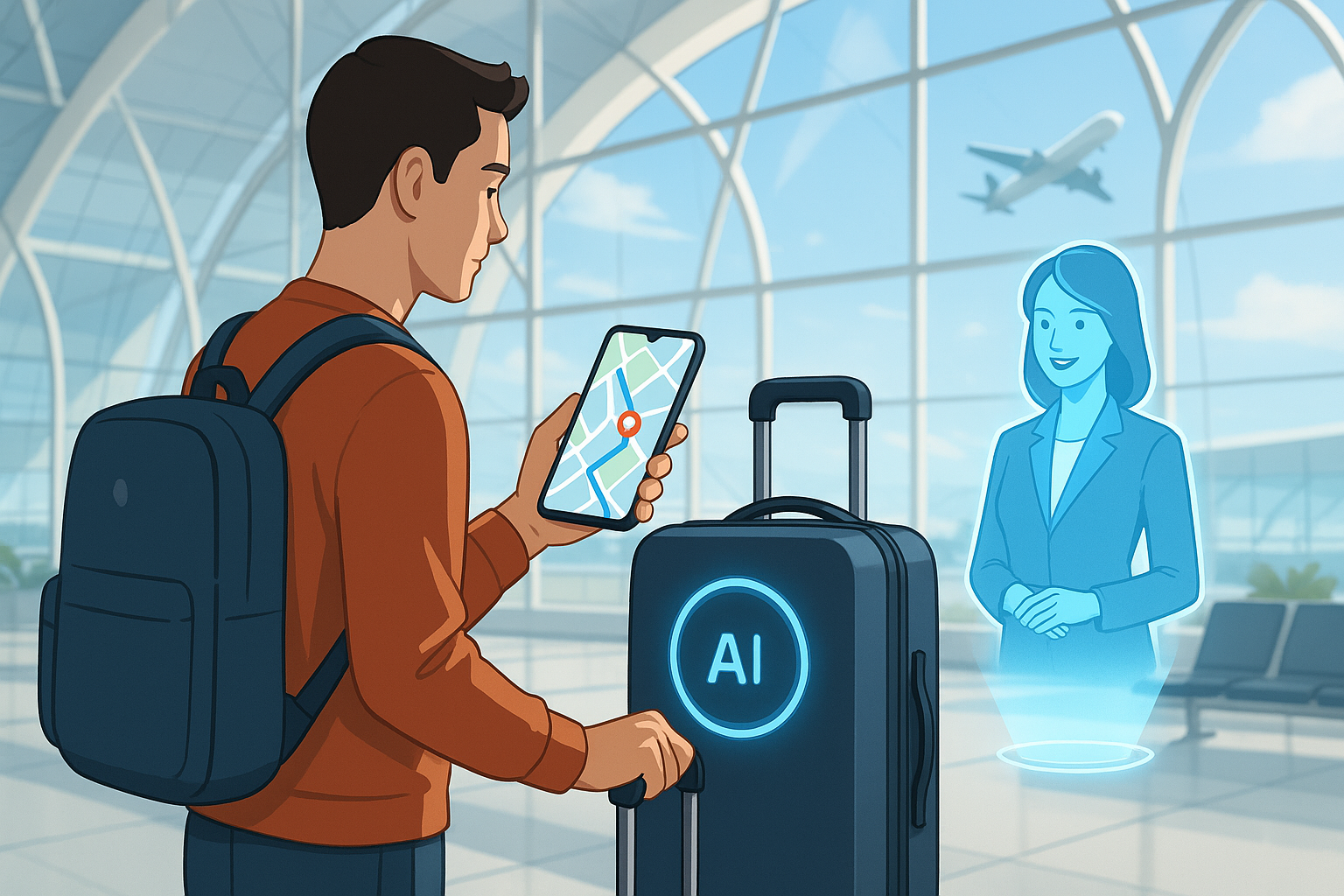
The travel industry has always evolved with technology — from online booking systems to mobile boarding passes. But in 2025, we’re witnessing an even greater transformation. Smart technologies like AI, IoT, AR, and blockchain are redefining how people plan, experience, and remember their journeys.
Today’s travelers expect more than just a vacation — they seek personalized, seamless, and tech-driven experiences. Let’s explore how technology is revolutionizing tourism and shaping the future of smart travel in 2025 and beyond.
1. The Rise of Smart Tourism
“Smart Tourism” refers to the use of advanced technologies to enhance travel efficiency, safety, and satisfaction. It’s about connecting data, devices, and destinations to create intelligent travel experiences.
Cities like Dubai, Singapore, and Tokyo are already embracing smart tourism — integrating sensors, digital guides, and AI tools to help travelers navigate with ease.
💡 Example: Smart cities offer free Wi-Fi, app-based transit systems, and real-time crowd management at tourist attractions to improve comfort and convenience.
2. Artificial Intelligence (AI) in Travel
AI is the silent engine behind most modern travel services. From chatbots to predictive analytics, AI enhances every phase of the travel journey.
a. Personalized Trip Planning
AI algorithms analyze user data, search history, and preferences to recommend personalized destinations, hotels, and activities.
Example: Platforms like Expedia and TripAdvisor now use AI to suggest custom itineraries based on your budget, travel style, and weather patterns.
b. Smart Chatbots
Virtual assistants on airline and hotel websites provide instant support — helping users book tickets, manage cancellations, or get travel advice 24/7.
c. Predictive Pricing
AI monitors price fluctuations and alerts travelers when flight or hotel prices drop. Tools like Google Flights and Skyscanner have made travel planning more affordable and efficient.
3. Virtual Reality (VR) and Augmented Reality (AR) Experiences
In 2025, travelers don’t just read about destinations — they experience them virtually before booking.
- VR tours allow users to explore hotels, museums, and attractions from their homes.
- AR apps overlay information on real-world surroundings, enhancing sightseeing experiences.
💡 Example: AR-enabled glasses can show restaurant reviews, nearby landmarks, or historical facts while walking through a city.
This blend of reality and technology helps tourists make informed choices and creates immersive storytelling opportunities for destinations.
4. The Internet of Things (IoT) in Smart Travel
The Internet of Things (IoT) connects everyday devices to the internet, allowing seamless communication between systems.
a. Smart Hotels
Hotels now feature IoT-based rooms where travelers can adjust lighting, temperature, and entertainment through voice commands or mobile apps.
Example: Hilton and Marriott are using IoT to provide keyless entry, personalized room settings, and app-based concierge services.
b. Smart Airports
Airports use sensors and AI to manage queues, automate check-ins, and update travelers on gate changes in real-time.
Some airports even use facial recognition for security and boarding, making the process faster and safer.
5. Blockchain for Secure and Transparent Travel
Blockchain technology is enhancing security, payment transparency, and data sharing across the tourism industry.
- Digital IDs on blockchain eliminate the need for physical documents.
- Smart contracts ensure secure hotel bookings and car rentals without intermediaries.
- Loyalty programs are being tokenized for easier point transfers and redemption.
💡 Example: Winding Tree — a blockchain-based travel marketplace — allows hotels and airlines to connect directly with customers, cutting down middlemen and costs.
6. Biometric Verification and Contactless Travel
Biometric technology (like facial recognition, fingerprint scans, and iris scans) has made travel smoother and more secure.
- Contactless check-ins at airports and hotels have become standard since the pandemic.
- Facial recognition boarding is now used by airlines like Delta and Emirates to reduce waiting times.
By 2025, the global travel experience is becoming nearly paperless, ensuring faster, safer, and more hygienic journeys.
7. Smart Luggage and Wearable Tech
Lost luggage? Not anymore!
Smart travel gear equipped with GPS trackers, biometric locks, and weight sensors is now commonplace.
Example: Brands like Away and Bluesmart offer suitcases that can be tracked via smartphone and even charge your devices on the go.
Wearables like smartwatches and travel bands also enhance convenience by providing navigation, translation, and health monitoring — all from your wrist.
8. Sustainable Travel Through Technology
Sustainability is a major priority in 2025, and technology is helping reduce tourism’s environmental footprint.
- AI-powered route planning reduces fuel consumption for flights and car rentals.
- Eco-booking platforms recommend sustainable stays and carbon-neutral airlines.
- Digital tickets and e-passes reduce paper waste.
💡 Example: Google’s “eco-friendly routes” now show the most fuel-efficient paths for travelers — part of its initiative to promote green tourism.
9. Smart Language Translation
Language barriers are disappearing thanks to AI translators and smart devices.
Apps like Google Translate or Pocketalk now use real-time voice translation that works even offline.
💡 Imagine this: You’re ordering food in Tokyo or asking directions in Paris — your phone translates both sides of the conversation instantly!
This innovation promotes cultural exchange and comfort, allowing travelers to connect globally with confidence.
10. Big Data and Predictive Analytics
Travel companies use big data to understand traveler behavior, predict demand, and personalize offers.
- Airlines forecast booking trends to optimize routes.
- Hotels analyze guest feedback for improved service.
- Tourism boards use data to manage crowd control and enhance visitor safety.
💡 Example: Smart cities like Singapore analyze real-time tourist data to reduce congestion at popular landmarks and improve visitor flow.
11. Smart Payment Systems
Gone are the days of carrying wads of cash or traveler’s cheques.
In 2025, digital payments — from contactless cards to crypto wallets — dominate the travel space.
- Travelers can now use Apple Pay, Google Pay, and even Bitcoin in global destinations.
- Currency conversion apps allow real-time exchange rate tracking and instant payments.
💡 Bonus Tip: Blockchain-based payments are helping eliminate fraud while ensuring transparency in travel transactions.
12. Social Media and AI Influencers
Social media remains a powerful force in tourism marketing. But now, AI-generated travel influencers are joining the trend.
Virtual personalities like Lil Miquela are collaborating with travel brands to promote destinations in immersive ways.
Meanwhile, social media platforms use AI-driven algorithms to suggest travel content based on users’ preferences — inspiring spontaneous trips and unique experiences.
13. Smart Navigation and Transportation
Travelers are now moving around smarter, thanks to GPS-based apps, self-driving cars, and smart city transport networks.
- AI-powered maps suggest the fastest routes with live traffic updates.
- E-scooters, shared bikes, and autonomous taxis are reshaping local mobility.
- Smart train systems and high-speed hyperloops are reducing intercity travel time.
💡 Example: In Dubai, driverless taxis and AI-based traffic control are already part of the city’s “Smart Mobility” vision.
14. Travel in the Metaverse
Welcome to the future — where you can “travel” without leaving home.
The Metaverse allows users to explore digital replicas of real-world destinations using VR headsets.
You can attend virtual concerts, visit museums, or preview resorts before booking.
While it can’t replace real travel, it’s becoming a powerful marketing tool for destinations and travel agencies.
15. The Future of Smart Travel (Beyond 2025)
By 2030, we’ll see even smarter systems:
- AI-powered virtual concierges for real-time assistance
- Hyper-personalized trip plans using brain-computer interfaces
- Sustainable “green travel passports” tracking eco footprints
The future of tourism is not just about convenience — it’s about connection, sustainability, and meaningful experiences powered by technology.
✈️ Final Thoughts
Technology is transforming travel in ways we once only imagined.
From AI assistants that plan your trip to biometric passports that simplify boarding — the world is becoming a smarter, safer, and more connected place for explorers.
In 2025, smart travel isn’t just about digital tools; it’s about empowering travelers with personalization, sustainability, and unforgettable experiences.
“The best journeys will always blend technology with the human spirit of adventure.” 🌎
